


Blog
China Top 10 Filler Masterbatch Manufacturers in 2026?
China’s filler masterbatch industry has become an important part of modern plastics manufacturing. In 2026, buyers need more than a low quoted price. They need stable calcium carbonate dispersion, predictable melt flow, and clean processing on real production lines. This guide introduces ten Chinese manufacturers that deserve closer evaluation. Not every factory fits every application.
The selection considers manufacturing experience, technical service, product consistency, export readiness, and evidence of quality management. We look for practical signals, including laboratory equipment, batch-control procedures, technical data sheets, and customer support. A reliable supplier should explain carrier compatibility, recommended loading levels, and processing limits clearly. Plant visits, sample trials, and batch records often reveal more than polished brochures. Where public information is limited, that limitation is stated rather than hidden. Some rankings may remain debatable. That is intentional.
Applications include blown film, injection molding, woven bags, pipes, and packaging compounds. Each demands a different balance of stiffness, impact strength, whiteness, moisture control, and cost. Readers should compare particle size, dispersion, melt flow, ash content, and final mechanical performance. A cheaper filler masterbatch can create die buildup, surface defects, or brittle film. A premium grade may waste budget when requirements are modest. Test data matters. The strongest decision combines verified performance with supplier accountability. This is not a permanent verdict. Capacity changes, formulations improve, and customer feedback evolves. Use this 2026 overview as a starting point for disciplined sourcing, not a substitute for material validation.
Filler Masterbatch: Definition, Types, and Key Applications
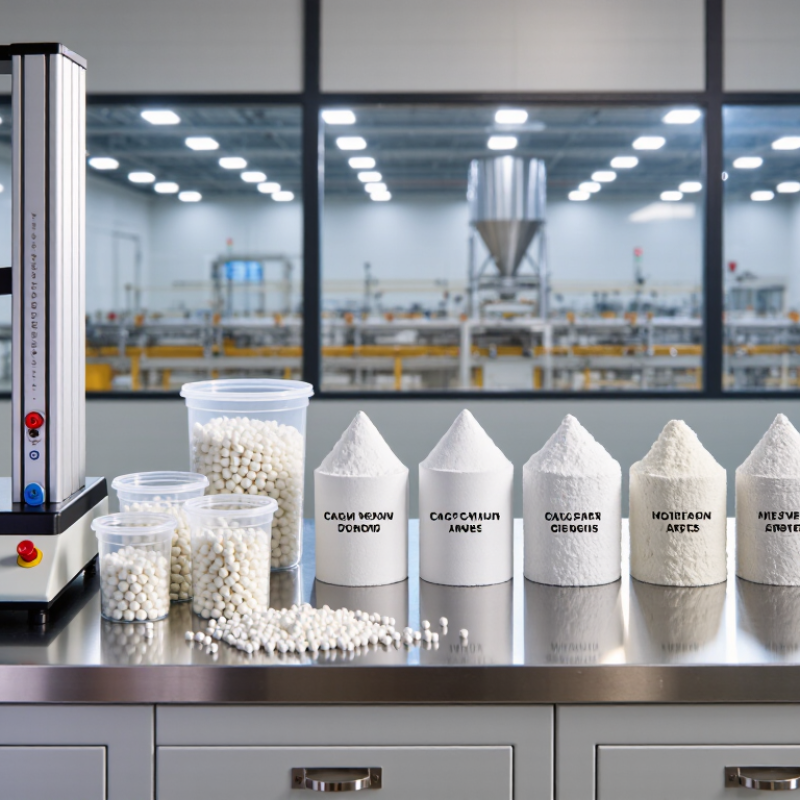
Filler masterbatch is a concentrated blend of mineral powder and polymer carrier. Manufacturers dilute it during plastic processing to reduce material costs and adjust product performance. Calcium carbonate is widely used, while talc, barium sulfate, and other minerals serve specific needs. Each filler changes stiffness, opacity, density, surface feel, or heat behavior.
Common types include calcium carbonate masterbatch for films, bags, sheets, and molded products. Talc-based grades can improve rigidity in selected polypropylene components. High-whiteness grades support appearance, but excessive loading may reduce toughness or create surface defects. In practical production, dispersion matters as much as mineral purity. Poor mixing can leave tiny white spots, weak weld lines, or unstable feeding.
Applications vary by processing method. Film producers often check sealing strength and elongation. Injection molders examine shrinkage, warpage, and impact resistance. Pipe and sheet manufacturers also monitor moisture, ash content, and dimensional stability. Laboratory results help, but factory trials reveal problems faster.
Tips: Confirm the carrier matches the base resin. Test several addition rates, not just one. Check moisture before feeding. Inspect both appearance and mechanical strength. A lower-priced masterbatch may increase scrap, so the apparent saving can disappear. I have found that “universal” grades are rarely universal; application details still control the result. Even experienced teams should review dispersion after changing suppliers or processing temperatures.
How to Evaluate Filler Masterbatch Manufacturers in China
China Top 10 Filler Masterbatch Manufacturers in 2026?
How to Evaluate Filler Masterbatch Manufacturers in China
A credible evaluation begins with measurable performance, not a polished website. Grand View Research estimated the global masterbatch market above USD 12 billion in 2023, with steady growth through 2030. This demand increases pressure on Chinese manufacturers to deliver stable calcium carbonate content, dispersion, moisture control, and processing consistency. Ask for recent batch records, not only a product brochure.
Request technical data for melt flow rate, ash content, particle size, whiteness, and carrier compatibility. Compare samples under your actual extrusion temperature and screw speed. A reliable supplier should provide certificates from independent laboratories, quality-system records, and traceable raw-material information. ISO 9001 certification helps, but it does not replace factory verification. I have seen attractive samples fail after several production hours.
Check whether the manufacturer controls feeding accuracy and mixing time. Visit the plant if possible. Look for calibrated scales, sealed storage, laboratory testing, and retained samples. Reports from MarketsandMarkets identify packaging and automotive plastics as major masterbatch demand areas, where fluctuation can create visible defects and rejected rolls. Cost deserves attention, but the cheapest pellet may increase die cleaning, scrap, or downtime. This is easy to underestimate.
Review compliance with applicable Chinese and export requirements, including restricted-substance documentation where relevant. Evaluate communication speed, complaint handling, and replacement procedures. A trial order should test three separate batches, not one perfect sample. That may feel inefficient. It is usually more honest. Industry reports provide useful market direction, yet factory evidence remains the stronger purchasing signal.
China’s Top 10 Filler Masterbatch Manufacturers in 2026
China’s top 10 filler masterbatch manufacturers in 2026 are being judged beyond production volume. The market now rewards stable dispersion, accurate calcium carbonate loading, and dependable color control. A practical comparison should examine factory audits, formulation laboratories, pellet consistency, and export experience. It should also separate verified performance from attractive catalog language. In real production, slight moisture variation can create surface marks, weak weld lines, or unstable film thickness. These details matter more than polished sales claims.
The strongest manufacturers typically provide data for carrier compatibility, filler percentage, melt flow, ash content, and processing temperatures. They can adjust formulations for polyethylene, polypropylene, woven bags, pipes, injection parts, and blown film. Buyers should test samples on their own equipment. Short trials reveal feeding behavior, screw torque, odor, tensile strength, and final appearance. Ask for recent inspection records. Ask again.
A reliable 2026 supplier also demonstrates clear quality procedures, traceable raw materials, and responsive engineering support. Production sites should show calibrated dosing systems, dust control, and retained samples from every batch. However, no ranking remains perfect. Prices, mineral sources, resin grades, and logistics can change quickly. Buyers should verify current certificates, lead times, packaging, and after-sales responsibilities before signing contracts. The most useful shortlist is evidence-based, not copied from a generic industry table.
Quality Standards, Production Capacity, and Customization Services
China’s top filler masterbatch manufacturers in 2026 should be judged by measurable performance, not catalogue size. Grand View Research valued the global masterbatch market at about USD 12.4 billion in 2023. Its forecast suggests continued growth through 2030. This expansion increases pressure on Chinese suppliers to prove consistency.
Quality begins with controlled minerals and polymers. Buyers should request calcium carbonate purity, moisture, particle-size distribution, ash content, and melt-flow data. A reliable factory provides batch-specific certificates of analysis. ISO 9001 certification helps, but it does not replace production records. The ISO Survey 2022 reported more than 1.2 million ISO 9001 certificates worldwide. Certification is common. Real process discipline is less visible. That distinction deserves attention.
Production capacity should include usable output, not only installed extruder capacity. Ask about monthly tonnage, twin-screw specifications, silo separation, and backup power. A factory producing 2,000 tonnes monthly may still struggle with urgent color or resin changes. Customization matters. Experienced technical teams can adjust calcium carbonate loading, carrier resin, dispersion, filtration, and pellet size for film, injection molding, or woven applications. Trial batches should be tested for MFR, tensile behavior, whiteness, and surface defects. Some suppliers promise too much. Independent testing remains the safer choice. Reported capacity can look impressive, yet delivery performance may tell a different story.
China Top 10 Filler Masterbatch Manufacturers in 2026? - Quality Standards, Production Capacity, and Customization Services
Anonymized industry comparison based on commonly disclosed Chinese filler masterbatch capabilities, applicable international standards, and typical production ranges.
| Rank | Anonymized Manufacturer | Primary Filler Masterbatch Materials | Typical Filler Content | Indicative Annual Capacity | Quality Control Standards | Certifications / Compliance | Customization Services | Typical Applications |
|---|---|---|---|---|---|---|---|---|
| 1 | Manufacturer 01 | Calcium carbonate, talc, barium sulfate | 70–85% | 30,000–50,000 metric tonnes/year | Particle-size control; moisture testing; melt-flow testing; dispersion inspection | ISO 9001 commonly applicable; REACH and RoHS support available | Carrier resin, filler loading, color, pellet size, and processing-temperature adjustment | Shopping bags, blown film, packaging film, injection molding |
| 2 | Manufacturer 02 | Coated calcium carbonate, talc | 75–คุณ?85% | 20,000–40,000 metric tonnes/year | ISO 1133 melt-flow testing; ISO 1183 density testing; ash and moisture analysis | ISO 9001; export documentation for REACH and RoHS requirements | High-dispersion grades, low-moisture grades, and formulations for thin-gauge film | Cast film, blown film, woven sacks, agricultural film |
| 3 | Manufacturer 03 | Calcium carbonate, dolomite, talc | 65–80% | 15,000–30,000 metric tonnes/year | Filler whiteness, particle distribution, bulk density, moisture, and dispersion testing | ISO 9001 commonly reported; RoHS and REACH declarations | Custom compatibility with PP, PE, PLA, and selected recycled polymer systems | Nonwoven fabric, packaging, household products, extrusion profiles |
| 4 | Manufacturer 04 | Calcium carbonate, barium sulfate | 70–90% | 10,000–25,000 metric tonnes/year | Whiteness, sieve residue, moisture, density, and tensile-property verification | ISO 9001; product safety documentation for export markets | High-whiteness grades, low-odor grades, and tailor-made carrier systems | PP woven bags, raffia, injection-molded containers, utility products |
| 5 | Manufacturer 05 | Talc, calcium carbonate | 50–75% | 8,000–20,000 metric tonnes/year | Melt-flow index, particle morphology, moisture, and batch-to-batch consistency | ISO 9001 or equivalent quality-management system; REACH support | PP and PE carrier selection, impact-modification compatibility, and flow optimization | Automotive parts, appliances, furniture, sheets and profiles |
| 6 | Manufacturer 06 | Calcium carbonate, silica, talc | 60–80% | 6,000–15,000 metric tonnes/year | Microscopy for dispersion; moisture, ash, density, and processing-performance tests | REACH, RoHS, and non-heavy-metal declarations available by grade | Small-batch development, laboratory compounding, and application-specific trials | Packaging film, extrusion, 3D-printing compounds, recycled plastics |
| 7 | Manufacturer 07 | Calcium carbonate, kaolin, dolomite | 65–85% | 5,000–12,000 metric tonnes/year | Whiteness, particle-size distribution, moisture, and extrusion-dispersion checks | ISO 9001-style procedures; export compliance files available | Formulation adjustment for film, woven fabric, injection, and blow molding | Woven polypropylene, film, packaging accessories, consumer goods |
| 8 | Manufacturer 08 | Calcium carbonate, barium sulfate, mica | 55–80% | 4,000–10,000 metric tonnes/year | Density, moisture, ash content, filler purity, and mechanical-property testing | REACH and RoHS documentation; food-contact review on request | Food-packaging-oriented formulations subject to end-use regulatory review | Rigid packaging, household containers, sheets, and specialty compounds |
| 9 | Manufacturer 09 | Calcium carbonate, starch-based mineral blends | 50–75% | 3,000–8,000 metric tonnes/year | Biobased-content verification where applicable; moisture, ash, and dispersion tests | REACH and RoHS support; compostability claims require product-specific certification | Biopolymer-compatible grades and reduced-plastic formulations for evaluation | Disposable packaging, shopping bags, agricultural film, molded products |
| 10 | Manufacturer 10 | Calcium carbonate, talc, recycled-polymer-compatible mineral blends | 50–80% | 2,000–6,000 metric tonnes/year | Incoming-mineral inspection; melt-flow, moisture, density, and application testing | Basic export compliance documentation; customer-specific declarations | Flexible minimum order quantities, trial batches, and recycled-resin compatibility | Recycled film, injection molding, packaging, and general extrusion |
Note: Capacity figures are indicative ranges rather than audited company disclosures. Actual performance depends on filler purity, surface treatment, carrier resin, equipment configuration, product grade, and plant utilization. ISO 1133 and ISO 1183 refer to internationally used methods for melt-flow rate and density testing, respectively.
How to Choose the Right Chinese Filler Masterbatch Supplier
China’s scale matters, but production volume alone cannot prove supplier reliability. Plastics Europe reported 400.3 million tonnes of global plastics production in 2022. China contributed about one-third of this output. That scale creates strong processing experience, yet quality can still vary between factories.
Ask for a technical data sheet, recent certificate of analysis, and batch traceability records. Check calcium carbonate purity, particle size, moisture, carrier resin, and melt flow rate. These details affect film strength, surface finish, extrusion pressure, and odor. A supplier should provide test results for ash content, dispersion, tensile properties, and impact resistance. Do not accept only a glossy catalogue.
Request samples made with your actual resin and processing temperature. Run them on your own line. Measure torque, die pressure, film appearance, and breakage over several hours. A laboratory sample may look excellent, but production can expose uneven feeding. This is where many purchasing decisions become too optimistic.
The supplier’s quality system also deserves a practical audit. Review calibration records, incoming mineral inspection, dust control, storage conditions, and complaint procedures. Market analyses from Grand View Research indicate continued growth in global masterbatch demand, increasing pressure on consistency and cost control. However, the cheapest offer may create higher reject rates. I would compare total processing cost, not only the price per kilogram. Leave room for doubt. Require a small trial order before signing a long-term agreement.
Related Posts
-
What Is the Best China Filler Compound for Plastic?
-
Why Choose Filler Masterbatch for Your Plastic Manufacturing Needs?
-
What is the Best Filler Compound for Plastic Manufacturing?
-
How to Use Conductive Compounds for Better Electrical Performance?
-

How to Choose the Best PP Masterbatch for Your Needs?
-
Top Plastic Masterbatch Types You Should Know About?