


Blog
China Top Bio Plastic Manufacturers for Global Buyers?
China has become a major sourcing destination for bio plastic products, materials, and production technologies. Global buyers can find suppliers for compostable packaging, bio-based films, molded tableware, agricultural products, and custom compounds. However, a polished catalog does not prove manufacturing strength.
Reliable evaluation requires more than comparing prices. Buyers should examine feedstock sources, resin composition, monthly capacity, testing records, export experience, and quality-control procedures. A factory visit can reveal practical details. Are production floors clean? Are batch numbers traceable? Can the supplier provide consistent samples after repeated production runs?
Professor Ramani Narayan, a respected bio plastic researcher, has warned, “Bioplastics are not a panacea; their benefits depend on proper design, use, and end-of-life management.” This view is important for international buyers. A compostable bag may need specific industrial conditions. A bio-based polymer may reduce fossil resource use without being biodegradable. These distinctions affect purchasing decisions, customer claims, and waste management plans.
This guide introduces leading China bio plastic manufacturers for global buyers. It focuses on material expertise, production reliability, customization, certifications, and application suitability. It also considers weaknesses that suppliers may not highlight. Some companies look strong online but provide limited technical evidence. Others offer excellent products but lack transparent export support. That uncertainty deserves attention.
The right partner should provide stable performance, clear documentation, realistic lead times, and responsive communication. Buyers should test before committing to large volumes. Small mistakes become expensive at container scale.
What Are Bioplastics and Why Source Them from China?
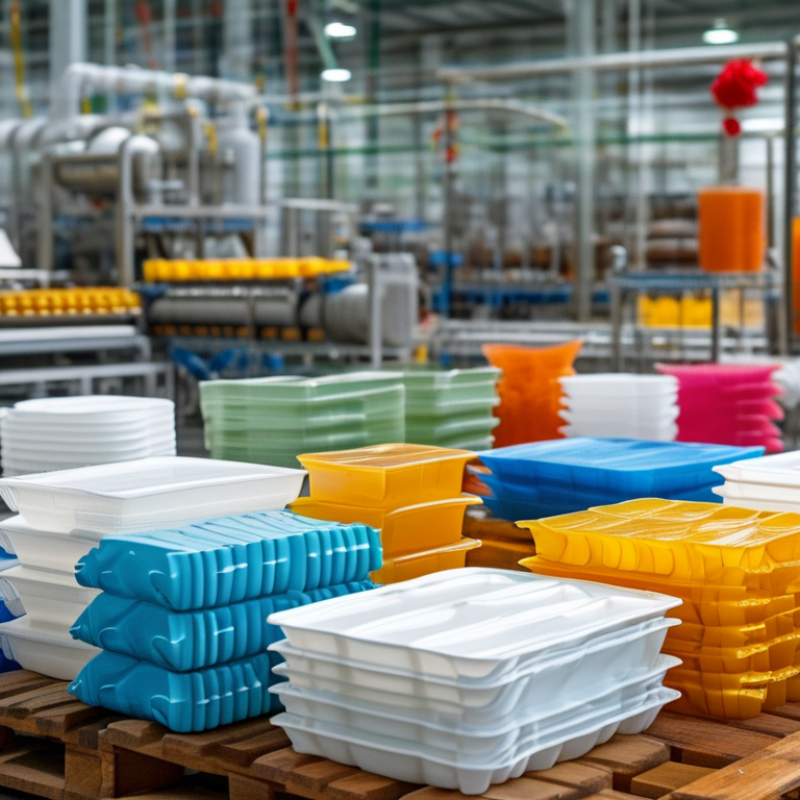
Bioplastics are materials made partly or entirely from renewable sources, such as corn starch, sugarcane, cellulose, or vegetable oils. Some are bio-based but not biodegradable. Others break down only under controlled industrial composting conditions. This distinction matters when buyers select packaging for food, retail, or agricultural use. A clear specification should state the resin type, thickness, barrier performance, disposal route, and required testing.
China has a broad manufacturing base for bioplastic resins, films, bags, molded products, and custom packaging. Buyers can often coordinate material development, tooling, printing, and large-scale production through one supply chain. Chinese ports and established export networks can also support regular international shipments. However, lower pricing alone is not enough. In supplier audits, I would review batch records, product samples, factory quality controls, and independent test reports. Check compostability claims carefully. Vague certificates create avoidable risk.
Ask for evidence covering biodegradation, food-contact safety, heavy metals, and mechanical strength. Testing should match the destination market and the product’s real use. A bag for frozen goods needs different performance from a hot beverage lid. Small trials help reveal sealing problems, odor, color variation, or unexpected brittleness. Some suppliers may promise excellent compostability while overlooking shelf life. That weakness deserves honest discussion. Buyers should also confirm whether “compostable” means industrial composting, home composting, or neither. Clear communication, traceable documents, and repeated sample checks make China sourcing more reliable.
How to Evaluate China’s Leading Bioplastic Manufacturers
Evaluating China’s leading bioplastic manufacturers requires more than comparing prices. A professional buyer should verify the factory’s actual production capacity, material sources, and quality controls. Request resin specifications, safety data sheets, batch records, and recent third-party test reports. Ask whether the manufacturer produces materials in-house or relies on outside processors. That difference affects consistency, lead times, and accountability.
Look for documented experience with your intended product, such as films, packaging, tableware, or injection-molded parts. A capable supplier should explain processing temperatures, moisture sensitivity, shelf life, and expected performance. Samples should be tested under real conditions, including heat, pressure, storage, and transport. Small details matter. Check the sample’s odor, surface finish, sealing strength, and color stability. Certifications can support credibility, but verify their scope, issuing body, and expiration date.
A factory audit adds useful evidence. Review incoming-material inspection, production records, calibration procedures, worker training, and corrective-action reports. Reliable manufacturers usually provide clear answers instead of promising everything. However, no supplier is perfect. A strong audit may still reveal uneven documentation or limited testing equipment. That is a reason for a written improvement plan, not an automatic rejection. Buyers should also confirm export experience, communication routines, packaging protection, and backup production arrangements. Low cost can hide higher waste, unstable quality, or delayed delivery. Evaluate the evidence, not the sales language.
Which Bioplastic Materials and Products Do Chinese Suppliers Offer?
Chinese bioplastic suppliers offer more than finished shopping bags.
Many produce PLA, PBAT, PBS, PHA, starch blends, and cellulose-based compounds in pellet form. These materials support extrusion, injection molding, thermoforming, and film production.
Bio-based does not always mean compostable. Buyers should check the exact material composition.
Common products include compostable mailers, produce bags, food containers, lids, cups, cutlery, agricultural mulch films, and injection-molded household items.
Some factories also make custom packaging with printed films, sealed pouches, and protective inserts.
During sampling, I would examine sealing strength, odor, surface texture, and performance after storage. Small differences matter.
Supplier quality can vary.
A polished sample proves little. Reliable manufacturers usually provide technical data sheets, batch records, test reports, and clear production specifications.
Buyers should confirm whether certificates match the actual product, not only the raw material. Ask about heat resistance, shelf life, moisture sensitivity, and disposal conditions.
A container may handle cold food well but deform with hot soup. That detail is easy to miss.
Chinese manufacturers can support custom colors, sizes, thicknesses, and packaging formats, but customization may increase minimum order quantities. Pilot orders and independent testing remain sensible, especially when products will contact food or enter regulated markets.
What Certifications and Quality Standards Should Global Buyers Check?
Global buyers should verify more than a supplier’s certification logo. For compostable plastics, check EN 13432, ASTM D6400, or ISO 17088, depending on the destination market. These standards cover disintegration, biodegradation, toxicity, and compost quality. Ask for the complete certificate, testing laboratory, scope, certificate number, and expiry date. A certificate for one resin may not cover finished bags or food containers.
Quality control needs physical evidence. Request recent batch records, melt-flow data, thickness tolerance, tensile strength, and sealing results. For food-contact products, review migration testing against the importing country’s rules. ISO 9001 can support process consistency, while ISO 14001 may indicate environmental management. However, neither standard proves compostability. Look for laboratory reports from an ISO 17025-accredited facility, with matching product names and test samples.
Audit the factory when possible. Check resin storage, moisture control, color consistency, and traceability from pellets to cartons. Small details matter. A wet resin can produce brittle film. Some documents may be genuine but outdated, incomplete, or limited to laboratory samples. That is an uncomfortable gap. Re-test a production batch before shipment, especially after a formula, mold, or raw-material change. Requirements also differ by market, so a trusted local compliance specialist should review the final evidence.
How to Select and Work with the Right Chinese Bioplastic Manufacturer
Selecting the right Chinese bioplastic manufacturer requires more than comparing prices. Begin with the material and its intended use. Ask whether the product uses PLA, PHA, starch blends, or another verified compound. A capable supplier should provide technical data sheets, safety documents, batch records, and test reports from recognized laboratories. Check production capacity, mold ownership, minimum order quantities, and lead times. These details often reveal more than a polished factory presentation.
Request samples from different production batches. Test their strength, heat resistance, sealing quality, and appearance under real shipping conditions. Confirm whether “compostable” means industrial composting or home composting. The distinction matters. Review certifications against your target market’s requirements, such as EN 13432 or ASTM D6400, where applicable. Also examine traceability. Can the manufacturer identify the resin source, additives, and production date? A low quotation may exclude testing, tooling, packaging, or export preparation. That can create expensive surprises.
Tips: Use a written specification sheet. Define acceptable color variation, thickness, odor, packaging, and defect limits. Arrange a video audit or independent inspection before bulk production. Keep communication in clear, simple English, and record every revision. Do not rely only on certificates; verify their scope and expiry dates. One practical weakness remains: even experienced buyers can underestimate seasonal delays and port disruptions. Build a modest buffer. It is rarely wasted.
China Top Bio Plastic Manufacturers for Global Buyers? - How to Select and Work with the Right Chinese Bioplastic Manufacturer
A practical comparison framework for evaluating materials, compliance, manufacturing capability, quality control, and export readiness.
| Evaluation Dimension | Relevant Bioplastic Options | Typical Technical or Commercial Benchmark | Evidence to Request | Recommended Buyer Action |
|---|---|---|---|---|
| Material selection | PLA, PBAT blends, PBS, PHA, and starch-based compounds | Select the resin according to application requirements such as stiffness, flexibility, heat resistance, barrier performance, and compostability. | Technical data sheet, safety data sheet, application history, and recommended processing conditions | Define the finished-product requirements before comparing suppliers or prices. |
| Compostability claim | Industrially compostable grades and certified compostable blends | Claims should be supported by testing under recognized frameworks such as EN 13432, ASTM D6400, ISO 17088, or equivalent regional requirements. | Certificate scope, test report, certificate validity, product grade, and testing laboratory information | Check that the certificate applies to the exact resin or finished product being purchased. |
| Biodegradation conditions | Industrial-compostable, soil-biodegradable, marine-biodegradable, or non-biodegradable bio-based materials | Bio-based content and biodegradability are different attributes; a bio-based polymer is not automatically biodegradable. | Carbon-content test, biodegradation test conditions, disintegration results, and clear disposal instructions | Use precise claims such as “bio-based” or “industrially compostable” instead of making broad “eco-friendly” statements. |
| Regulatory compliance | Food-contact, packaging, agricultural, consumer-product, and industrial grades | Compliance depends on the destination market, end use, additives, inks, coatings, and processing conditions. | Food-contact declaration where applicable, restricted-substance statement, migration testing, and destination-market documents | Provide the supplier with the target country, intended use, thickness, temperature, and contact conditions. |
| Product consistency | Pellets, compounds, films, sheets, molded parts, and finished packaging | Key control points include melt flow, moisture, density, tensile strength, elongation, color, and batch-to-batch variation. | Certificate of analysis, inspection plan, retained samples, calibration records, and batch traceability procedure | Approve a written specification with measurable acceptance limits before placing a production order. |
| Processing capability | Extrusion, blown film, cast film, injection molding, thermoforming, and compounding | The manufacturer should demonstrate equipment and process experience for the selected resin and product geometry. | Equipment list, process flow, trial records, production photos, and samples made with the same grade | Request a production trial using the final mold, film structure, or processing parameters whenever possible. |
| Minimum order quantity | Resin, custom compounds, printed films, bags, sheets, and molded products | Custom formulations, colors, tooling, and printed packaging usually require higher commitments than standard grades. | Written quotation showing MOQ, sample policy, tooling charges, setup fees, and repeat-order terms | Compare total landed cost rather than unit price alone, including tooling, testing, packaging, freight, and duties. |
| Lead time and capacity | Stock grades, made-to-order compounds, and customized finished products | Availability may vary according to raw-material supply, production scheduling, tooling, testing, and export documentation. | Capacity statement, production schedule, standard lead time, peak-season plan, and contingency arrangements | Confirm lead time for samples, pilot production, first order, and repeat orders separately. |
| Quality management | All bioplastic resins and finished products | A documented quality system should control incoming materials, in-process checks, final inspection, nonconformities, and corrective actions. | Quality manual, inspection checklist, corrective-action records, internal audit evidence, and independent audit reports if available | Use a pre-shipment inspection or independent laboratory test for the first commercial orders. |
| Export readiness | Bulk resin, palletized products, container shipments, and smaller trial shipments | Export capability includes suitable packaging, moisture protection, labeling, customs documentation, and experience with the destination market. | Commercial invoice, packing list, HS-code confirmation, shipping terms, packaging specification, and export references | Agree on Incoterms, packaging, insurance, document responsibilities, and claim procedures in the purchase contract. |
| Technical communication | Standard products and application-specific development projects | Reliable suppliers provide consistent technical data, answer processing questions, and document changes to formulation or specification. | Named technical contact, change-control procedure, response-time commitment, and development timeline | Start with a written technical brief and record every approved revision before mass production. |
Related Posts
-
How to Choose the Right Compound Packaging for Your Products?
-
Top 10 Benefits of Plastic Packaging for Global Buyers?
-
Best Bioplastics for a Sustainable Future?
-

Ultimate Tips for Choosing the Right PP Masterbatch for Your Projects
-
2026 Best Solutions to Combat Plastic Pollution Globally?
-
Top Black Masterbatch Suppliers for Global Buyers