





Blog

Why Are Plastic Raw Material Prices Rising?
Why Are Plastic Raw Material Prices Rising?
A resin buyer may see the price change before the reason becomes obvious. One week, a supplier’s quote is stable. The next, it reflects higher feedstock costs, tighter availability, or freight charges. These shifts affect packaging, construction materials, automotive parts, and everyday products. Yet no single factor explains every increase.
John Richardson, a longtime plastics-market analyst, has examined how feedstocks, supply, and demand influence resin markets. In paraphrase, his point can be put this way: “Plastic prices shift when feedstock costs, available supply, and buyer demand move out of balance.” This is a summary, not a verbatim quotation. It captures why tracking crude oil and natural gas alone can miss important details. Ethylene and propylene costs matter, but so do plant outages, inventories, shipping routes, and regional buying patterns.
The plastic raw material market can also react to expectations. If buyers anticipate shortages, they may order earlier, adding pressure to near-term supply. If demand weakens, prices may soften, even when production costs remain high. The picture is not always clean. A reported price increase may reflect several causes arriving together, and supplier quotes can vary by grade, location, and contract terms. Understanding the timing helps businesses ask better questions: Which input changed? Is supply actually limited? How long might the pressure last? This outline explores those forces and explains what buyers can monitor before their next purchase. One detail often gets overlooked: a lower quote is not automatically a lower total cost. Shipping, lead times, and product specifications matter too.
What Counts as Plastic Raw Material and How Is Its Price Set?
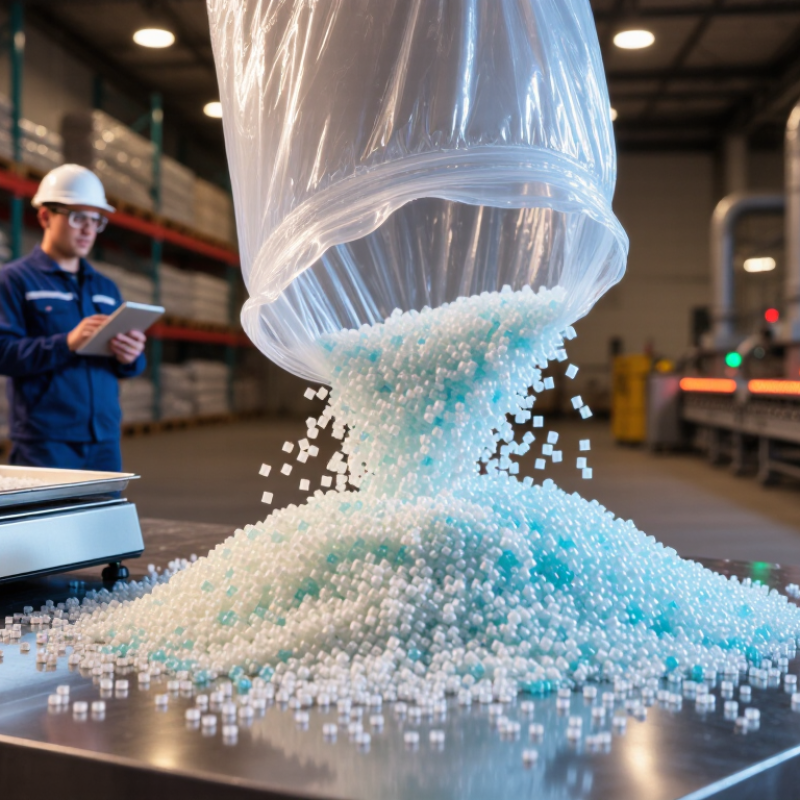
Plastic raw material usually means polymer resin, sold as pellets, powder, or flakes before conversion into products. Common grades include polyethylene, polypropylene, PVC, and PET. Producers and buyers also track upstream feedstocks, such as ethylene and propylene, because their costs influence resin offers. Recycled resin is another category, but its price depends on polymer type, color, purity, and contamination. Small differences matter.
Price is not set by crude oil alone. Suppliers and converters weigh feedstock and energy costs, plant availability, inventories, freight, grade specifications, and regional demand. Contract prices may follow monthly negotiations or published market assessments; spot prices respond faster to immediate shortages and excess stock. The OECD’s Global Plastics Outlook reports that global plastics production rose from 234 million tonnes in 2000 to 460 million tonnes in 2019, showing how demand can reshape markets. PlasticsEurope’s Plastics—The Fast Facts 2023 puts 2022 global production at 400.3 million tonnes. These figures describe broad output, not the price of any single resin. That distinction is easy to miss. A buyer comparing offers should check the grade, delivery location, packaging, and payment terms. Even then, a quoted price is only a snapshot: outages or freight delays can quickly change what material costs.
Why Are Plastic Raw Material Prices Rising? - What Counts as Plastic Raw Material and How Is Its Price Set?
Plastic raw materials include base resins and the additives or fillers compounded into them. Prices vary by grade, region, delivery terms, and contract timing; the factors below describe common market influences rather than live quotations.
| Material category | Common examples | What it is / where it comes from | How its price is commonly set | Factors that can push prices up |
|---|---|---|---|---|
| Polyethylene (PE) | HDPE, LDPE, LLDPE | A commodity thermoplastic made mainly from ethylene, commonly produced from natural-gas liquids or petroleum-derived feedstocks. | Regional resin assessments and negotiated contracts; grade, volume, freight, and delivery terms affect the transaction price. | Higher ethylene or feedstock costs, plant outages, tight supply, stronger demand, and increased freight or energy costs. |
| Polypropylene (PP) | Homopolymer, random copolymer, impact copolymer | A thermoplastic made primarily from propylene, a petrochemical feedstock. | Market references and producer-buyer negotiations, with grade specifications and regional availability influencing the price. | Higher propylene costs, refinery or polymer-unit disruptions, limited imports, and demand from packaging, automotive, or other converting sectors. |
| Polyvinyl chloride (PVC) | Suspension PVC and specialty PVC grades | A chlorine-containing resin produced from vinyl chloride monomer; production economics are linked to both chlorine and ethylene-based inputs. | Regional contract or spot-market indications, adjusted for grade, location, and delivery conditions. | Higher energy and feedstock costs, disruptions to chlorine or vinyl chloride supply, maintenance outages, and demand from construction markets. |
| Polyethylene terephthalate (PET) | Bottle-grade and textile-grade PET | A polyester resin made using purified terephthalic acid and monoethylene glycol. | Regional market assessments or negotiated contracts that reflect the cost and availability of its chemical building blocks. | Higher costs for PTA or MEG, supply interruptions, changes in packaging or textile demand, and increased transport costs. |
| Engineering thermoplastics | ABS, polycarbonate (PC), polyamide (PA) | Resins selected for properties such as impact resistance, heat performance, or strength; they use different monomers and may require more specialized processing. | Grade-specific quotations or contracts; performance requirements, certification, and order size can strongly affect the price. | Higher specialty feedstock costs, limited qualified capacity, specification changes, and demand from electronics, vehicles, or industrial applications. |
| Recycled resin | Recycled PE, PP, PET, and other polymers | Material recovered from post-consumer or industrial waste and processed for reuse; quality depends on sorting, contamination, and reprocessing. | Negotiated prices based on polymer type, color, cleanliness, consistency, recycled content, certification, and local availability. | Shortages of suitable sorted feedstock, higher collection or cleaning costs, strong demand for recycled content, and limited processing capacity. |
| Additives and fillers | Colorants, stabilizers, flame retardants, calcium carbonate, glass fiber | Ingredients blended into a resin to change its color, processing behavior, durability, strength, or cost. | Quoted by formulation, concentration, specification, and order volume; specialty ingredients may have limited substitutes. | Higher chemical or mineral input costs, regulatory or testing requirements, supply concentration, and demand for specialized formulations. |
Main pricing signals across plastic raw materials
| Pricing dimension | How it affects the purchase price |
|---|---|
| Feedstock and energy | Changes in oil, natural gas, petrochemical feedstocks, electricity, and fuel can alter resin production costs, though the pass-through and timing vary by polymer and region. |
| Supply and demand | Plant outages, maintenance, shipping disruptions, inventories, import availability, and changes in converter demand can tighten or loosen the market. |
| Grade and specifications | Melt flow, density, color, performance requirements, regulatory compliance, and certification can distinguish otherwise similar materials and affect availability. |
| Contract and transaction terms | Contract duration, purchase volume, payment terms, delivery location, freight, and whether a transaction is spot or contract-based influence the final price paid. |
| Currency, trade, and logistics | Exchange-rate movements, tariffs, port conditions, and transport costs can change regional landed costs even when the underlying resin benchmark is stable. |
Interpretation: A price increase is not caused by one universal factor. It may reflect higher production inputs, reduced supply, stronger demand, logistics, or a change in grade or contract terms. Actual prices should be checked against current regional quotations and the exact material specification.
Related Posts
-

Why Choose Plastic Raw Material for Global Sourcing?
-
2026 Best Plastic Material for Global Buyers?
-

7 Tips for Choosing the Right Plastic Material
-

2025 How to Choose the Best Plastic Material for Your Projects: A Comprehensive Guide
-
Why Are Plastic Factories Essential for Modern Industry?
-

How to Choose the Right Color of Plastic in 2026?
